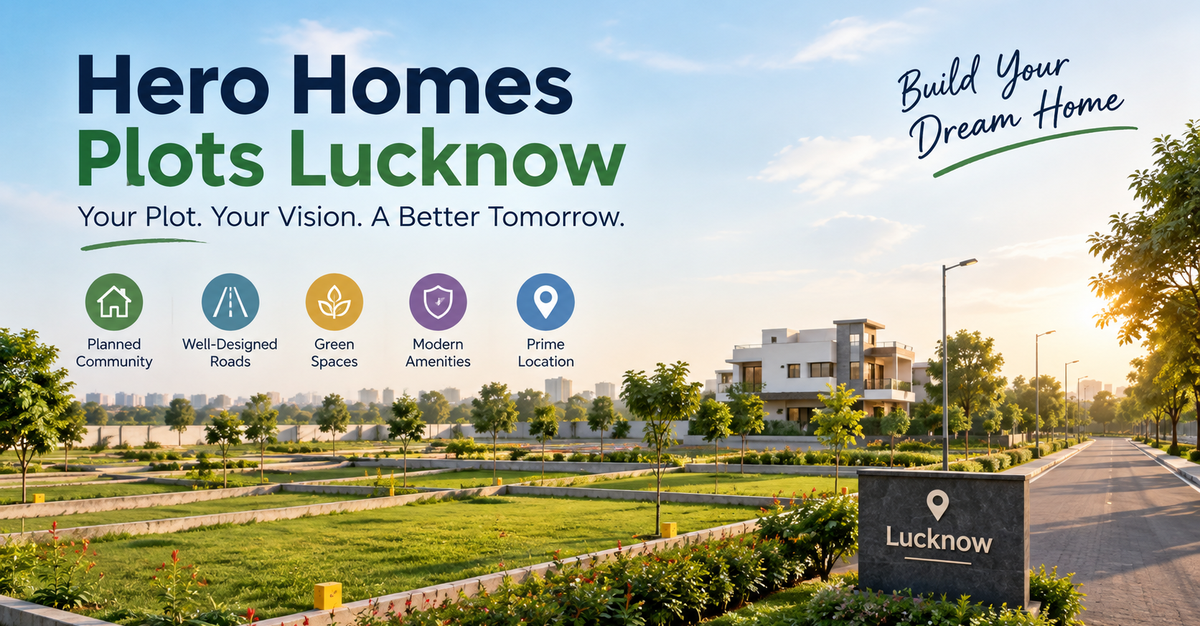
Buying a home usually means choosing from an existing apartment layout or a ready-built property. A plotted development offers a different approach by giving buyers a piece of land on which they can plan and construct a home according to their requirements. Hero Homes Plots Lucknow is positioned around this concept, making it relevant for buyers who want greater involvement in creating their future residence.
However, the difference is not only about owning a plot. Buyers should also understand the planning, infrastructure, construction freedom, documentation, and long-term responsibilities associated with plotted living.
A Greater Role in Home Planning
One of the main differences between plotted and apartment-based housing is the level of control over the future home.
Instead of adapting completely to a pre-designed apartment, plot owners can potentially plan their residence around their own requirements, subject to applicable development and construction regulations.
This can allow buyers to consider:
Number and arrangement of rooms
Parking requirements
Private outdoor areas
Natural light and ventilation
Future family requirements
Interior and exterior design preferences
This flexibility can be particularly useful for buyers who already have a clear idea of how they want their home to function.
Planned Community Instead of Isolated Land
The other significant issue here is the comparison between buying a single piece of land and buying land in a planned development.
Planned and plotted development could involve the arrangement of road networks, utility networks, and common spaces within the whole project, all of which could affect the usability and convenience of the plot of land.
Before purchasing the plot, buyers need to review the approved layout plan thoroughly.
More Choice in Selecting a Plot
Plot-based projects can also give buyers an opportunity to compare different plot positions before making a selection. Location within the development can affect accessibility, privacy, road-facing exposure, and proximity to common areas.
When comparing plots, consider:
Plot dimensions and shape
Road-facing position
Corner or internal location
Nearby open spaces
Entry and exit routes
Orientation, where relevant
Future construction around the plot
A lower-priced plot is not necessarily the most suitable one for every buyer, so the actual requirements should guide the selection.
Construction Responsibility Remains With the Buyer
The flexibility of plotted living also comes with additional responsibility. After purchasing the plot, buyers generally need to plan the construction process themselves according to applicable rules and project guidelines.
This can involve:
Selecting an architect or designer
Preparing the house plan
Estimating construction costs
Choosing contractors
Managing materials and labour
Obtaining required permissions
Monitoring construction progress
Therefore, buyers should consider both the purchase budget and the future construction budget before committing.
Infrastructure Can Influence the Experience
The quality and availability of infrastructure are important when evaluating a plotted development. Buyers should look beyond the plot boundary and understand what is planned or already available across the development.
Important areas to review include:
Internal roads
Water supply arrangements
Electricity infrastructure
Drainage
Street lighting
Landscaping
Security provisions
Common amenities, where applicable
For a developing project, buyers should distinguish between completed infrastructure and facilities that are proposed for future development.
Location Still Matters
Even with the freedom of owning the land, the place is something that cannot be ignored. Buyers need to consider their accessibility to major roads, places of work, educational facilities, medical care, shopping zones, and other basic facilities.
A site inspection may help buyers know the environment of the place and compare the actual place with what is mentioned in the project material.
Think Beyond the Initial Purchase
However, one must not evaluate the worth of a plotted land by merely considering the price that was paid for it initially. The buyers need to take into account their whole experience of owning the land, starting from construction to maintenance, taxes, utilities and many others.
It will be helpful to make a reasonable budget for them before moving forward.
Conclusion
The main selling point of Hero Homes Plots Lucknow is that it provides an option to buy a house through plots of land instead of already constructed housing units.
However, while doing so, one must take care of the legalities, infrastructure facilities, construction regulations, total costs involved, and the stage of the development process. This is because specifications and approval conditions may vary in the future.
FAQs
What is the main difference between plotted and apartment living?
Plotted living gives buyers ownership of a plot and the opportunity to plan a house on it, while an apartment generally comes with a predefined structure and layout.
Can buyers design their own house on the plot?
The concept allows greater design flexibility, but construction remains subject to applicable building regulations, approvals, and project-specific guidelines.
What should buyers check before selecting a plot?
Buyers should review plot dimensions, location within the layout, road access, infrastructure, development status, legal documents, applicable charges, and construction rules.